🏛️ Your Lease Says The Tenant Mows. The City Doesn't Care.

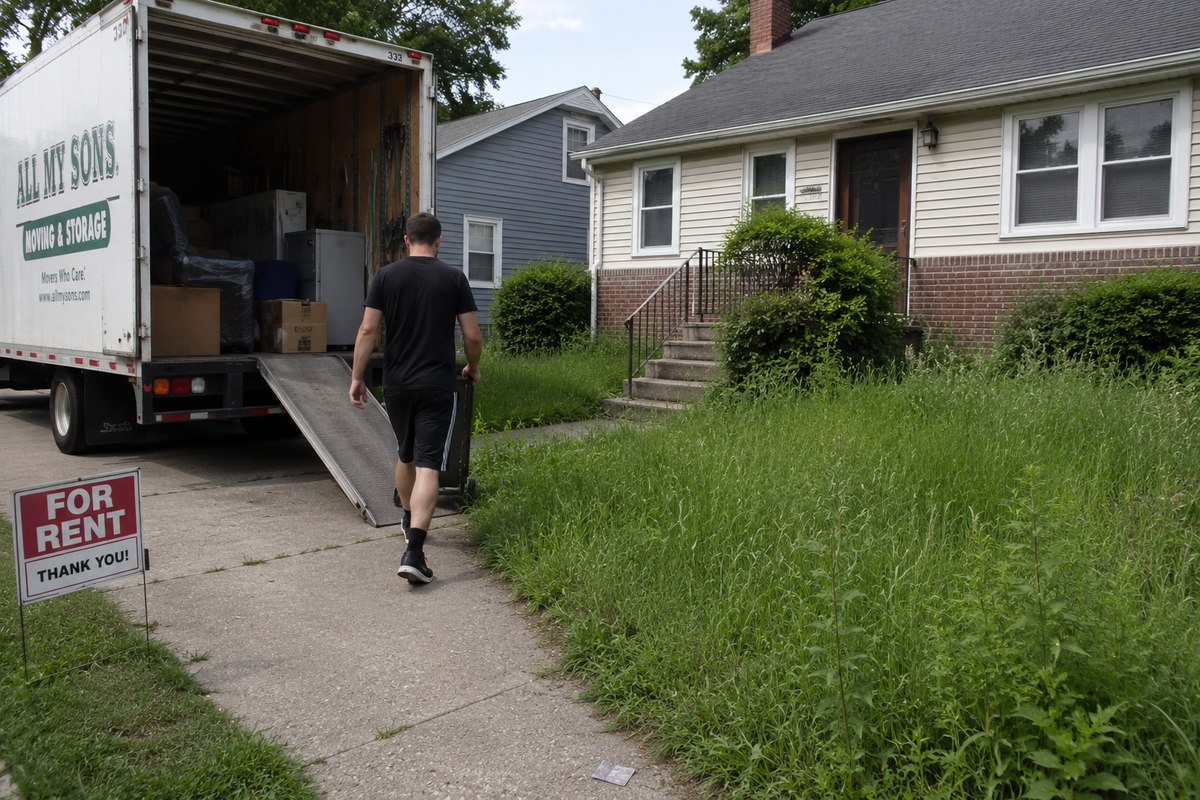
It's the first week of June. A unit just turned. Tenant moved out May 31, new lease starts July 1. The lawn is tenant responsibility — it says so right in the lease, plain as day.
Two weeks later, a violation notice shows up. Tall grass. Owner's name on it.
Welcome to the most predictable citation in property management, and one of the easiest to miss until it lands on your desk.
Why the city doesn't care what your lease says
Cities enforce ordinances against the property owner, not the occupant. In Madison, if the tall grass isn't cut by the due date, the city issues a ticket — $187 for the first offense of the season and $313 for any after that. Portsmouth, Virginia bills the cleanup back to the owner as a lien. Bridgman, Michigan tacks on a 15% administrative charge on top of the mowing cost. The categories cities go after are remarkably consistent: excessive lawn and weed growth, snow and ice on sidewalks, obstructions, improperly stored furniture and appliances, inoperable vehicles.
Every single one of those is a category your lease probably assigns to the tenant. And every single one gets cited to the owner when the unit is vacant or the tenant ignores it.
The vacant-unit gap
A unit turns. The outgoing tenant doesn't do a final mow. The incoming tenant doesn't move in for two or three weeks. In that window nobody is responsible by lease terms. The grass grows. The inspector drives by.
What we do: Every vacant unit goes on a recurring exterior check during turnover season — grass, bins, debris, anything visible from the curb. If it needs handling, we handle it the same day and bill the owner. We don't wait for a citation. By the time the citation arrives, the response window is already ticking.
Trash bins are the sleeper threat
This one deserves its own callout because of how badly it can escalate. One landlord wrote about getting cited because his tenant repeatedly left trash cans at the curb overnight after pickup. Local ordinance required cans be brought in within 24 hours. The fine was $250, prosecuted in criminal court. The situation eventually escalated into a bench warrant for the owner's arrest over a procedural mix-up at the hearing. Over trash cans. In Kent, Ohio, fines start at $50 and hit $250 by the third violation.
What we do: The move-out punch list includes pulling the bins back in and scheduling a haul-away if the volume is over what the city accepts for normal pickup. Bins overflowing on the curb during move-out week is exactly when the inspector drives by.
The rest compounds fast
Snow, recycling, abandoned furniture at the curb, the previous tenant's inoperable car in the driveway — every one of these is the same story. Lease says tenant. City says owner. In Wisconsin, snow typically has to be cleared within 24 hours or the city does it at the owner's expense. In Coventry, Rhode Island, recycling violators can face $300 fines or up to 30 days in jail.
These look small in isolation. They are not small when they compound. In Rock Island, Illinois, three or more abatements in a year designates you a "habitual violator," and the city skips courtesy notices entirely. South Bend starts at $250 per occurrence and jumps to $500 in year two.
You don't have to live in any of those cities for the principle to apply. Once you're flagged, the city stops being patient.
The real question
When a property is vacant and something needs to be done that's normally a tenant duty — do you, as the PM, have the standing authority to handle it and bill the owner? Or do you have to email the owner, wait, and hope the response comes back before the inspector does?
Most agreements are vague here. They cover repairs, maintenance, emergencies. They rarely spell out the in-between: routine upkeep that's normally the tenant's job but falls to the owner during turnover. That vagueness is where the citations live.
Our practice is straightforward. When a property is vacant, we identify the risk, we handle it, we bill the owner. We don't wait. We don't run a poll. Grass at 8 inches doesn't care about your inbox — and 8 inches is below the threshold in most cities (Baton Rouge 12", Portsmouth 10", Rock Island 10"). By the time you notice, you're already exposed.
That only works because our management agreement gives us that authority. If yours doesn't, you're calling the owner every time, or acting without authorization.
The one-property owner who likes to mow
There is a real exception worth naming. The owner with one property who wants to handle the lawn himself. Finds it relaxing. Would rather drive over on a Saturday than pay $75 for a mow. Nothing wrong with that owner.
But that owner is also why this gets dangerous. You give him the courtesy call. He says "I'll get to it this weekend." The weekend passes. Monday morning, citation in the mail.
What we do: Build the language in. Right of first refusal, with a clock. Something like: "We'll handle vacant-property upkeep within 48 hours unless the owner confirms in writing they're taking it on by a specific date."
Because here's the thing — owners don't remember the citation. They remember how you handled it.
When was the last time you audited your management agreement?
Not signed a new one. Not added an addendum after something blew up. Audited the one you already have, paragraph by paragraph, against the situations you actually run into.
This is at least the third or fourth time we've revisited ours. Nothing wrong with that. Operations evolve. Cities update ordinances. New scenarios surface that weren't in your top ten when you first drafted the document five or ten years ago. The agreement is supposed to keep up with the business, not freeze in time alongside it.
The vacant-landscaping question looks like a $200 problem. It isn't. A citation is the visible cost. The invisible costs are the hour your team spends fielding the notice, the back-and-forth with the owner explaining what happened, the awkward conversation about who pays, and the trust hit when the owner thinks you should have caught it. Multiply that by every gap in your agreement and you're looking at hundreds of hours a year of preventable drag.
Worth a look this week.
📋 For our PMA clients
If you want a second set of eyes on your management agreement, send it over. We'll flag the operational gaps we'd revisit if this were our portfolio.
We're not lawyers — legal language stays with yours. But fifteen years of running a real portfolio teaches you where the operational gaps live, and that's the part most attorneys don't catch.
Send it over — book a time with Greg, or just reply to your assigned team lead.
Utility Profit • Credhub • StackTracker • PropertyManagerAssistant
PMA Monthly Forecast
Operational insights for property management companies.
Follow Property Manager Assistant:
YouTube •
LinkedIn •
Facebook •
Instagram
© PropertyManagerAssistant.com
Need help implementing these new SOPs into your company? Talk to us about Virtual Assistant Services specifically designed for Property Management Companies.
The content of this newsletter is for informational purposes only and does not constitute professional advice. Property Management Assistant may have consulting agreements with, or financial interests in, companies mentioned in this newsletter. Additionally, some of the links included in this newsletter are affiliate links, meaning Property Management Assistant may earn a commission if you make a purchase through these links. Always perform your own due diligence before making any financial or business decisions.


